

Home / Orthodontics / Braces for Teens


For many teenagers, getting braces is a rite of passage. It marks the transition from childhood to young adulthood. But today’s teens have more choices than ever before!

At Nurture Kids Dentistry, we know that no two smiles (and no two teenagers) are the same. That is why Dr. Ketan Jumani offers a variety of orthodontic solutions to fit your teen's lifestyle, aesthetic preferences, and clinical needs.


Types of Braces
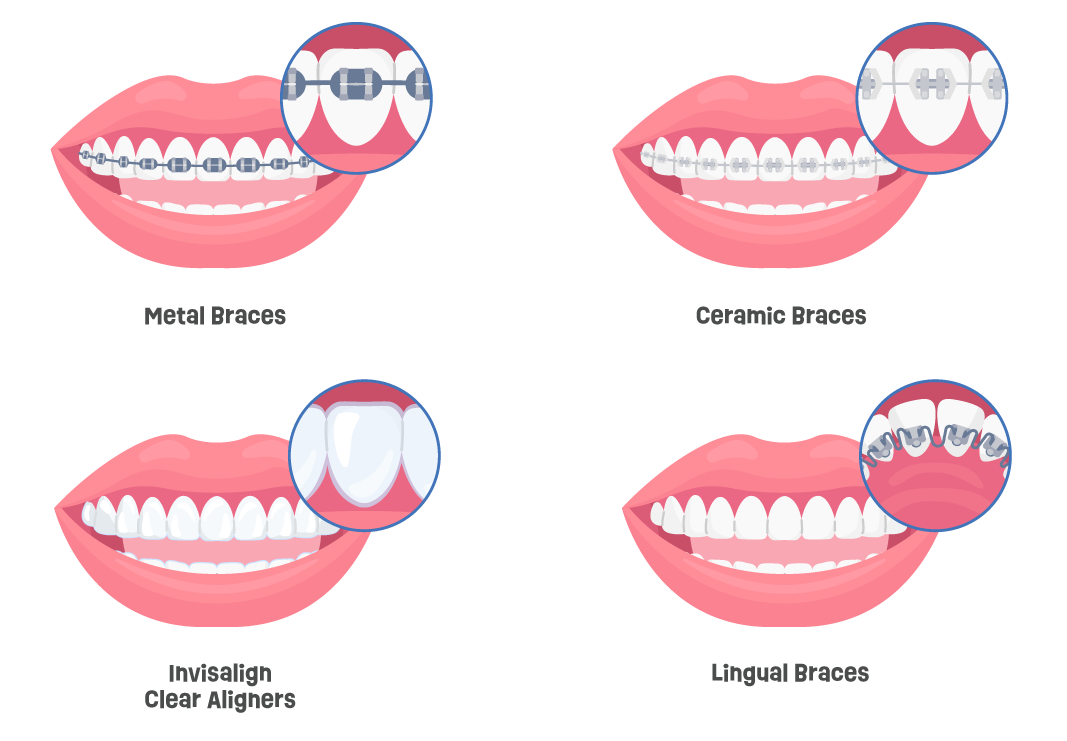
Types of Braces


Traditional Metal Braces

Traditional Metal Braces are the most common type of braces, consisting of metal brackets bonded to each tooth and connected by archwires and elastics. They are highly effective for correcting a wide range of orthodontic issues.

PROS
CONS
  • Highly Effective: Suitable for complex dental corrections, including significant misalignments and bite issues.
  • Durable: Made from strong materials that can withstand everyday wear and tear.
  • Cost-Effective: Generally more affordable than other types of braces.
  • Visible Appearance: More noticeable compared to other options, which may be a concern for some patients.
  • Potential Irritation: Metal brackets and wires can sometimes irritate the gums and cheeks.


Ceramic Braces

Ceramic Braces function similarly to traditional metal braces but use clear or tooth-colored brackets, making them less noticeable.

PROS
CONS
  • Aesthetic Appeal: Less visible than metal braces, offering a more discreet appearance.
  • Effective Treatment: Capable of treating most orthodontic issues effectively.
  • Fragility: Ceramic brackets are more fragile than metal ones, requiring careful handling.
  • Cost: Typically more expensive than traditional metal braces.


Lingual Braces

Lingual Braces are similar to traditional metal braces but are placed on the back (lingual side) of the teeth, making them invisible from the front.

PROS
CONS
  • Completely Invisible: Ideal for those seeking maximum discretion.
  • Customized Fit: Tailored to the contours of your teeth for a comfortable fit.
  • Initial Discomfort: Can be more uncomfortable initially as they are in contact with the tongue.
  • Specialized Expertise: Often more expensive and require orthodontists with specialized training.


Invisalign Clear Aligners

Clear Aligners, such as Invisalign, are a popular alternative to traditional braces, using a series of clear, removable trays to gradually straighten teeth.

PROS
CONS
  • Virtually Invisible: Offers a discreet orthodontic solution without the visibility of metal braces.
  • Removable: Easily taken out for eating, drinking, brushing, and flossing, promoting better oral hygiene.
  • Comfortable: Made from smooth, BPA-free plastic, reducing irritation to gums and cheeks.
  • Compliance Required: Requires strict adherence to wearing aligners for 20-22 hours per day.
  • Not Suitable for All Cases: May not be effective for very complex orthodontic issues.


Hygiene & Alignment Under One Roof

Divider
One of the biggest risks during orthodontic treatment is cavities forming around the brackets if brushing isn't perfect.

Because Dr. Jumani is a Board-Certified Pediatric Dentist, he monitors your teen's oral hygiene at every single adjustment visit. If we see plaque building up, we can intervene immediately with fluoride varnishes or hygiene coaching—something that might be missed in a high-volume orthodontist-only clinic.

Life with Braces

Divider
  • Eating: We will provide a list of "Foods to Avoid" (like popcorn, sticky caramel, and whole apples) to prevent broken brackets.
  • Sports: Your teen can absolutely still play sports! We can provide a special orthodontic mouth guard to protect their lips and cheeks from the brackets during contact sports.
  • Soreness: It is normal to feel some pressure for a few days after the braces are tightened. Over-the-counter pain relief and a soft diet usually handle this easily.





Frequently Asked Questions
Expert Answers to Your Common Questions
Divider

How long will my teen wear braces?
Every smile is different, but the average treatment time is generally 18 to 24 months. We can give you a more accurate estimate during the consultation. Following Dr. Jumani’s instructions (like wearing rubber bands) is the best way to get them off on time!
Are braces painful?
Getting them put on is painless—it’s just glue! However, your teen’s teeth will feel sore or tender for 3-5 days after the initial placement and after each adjustment. This is a sign that the teeth are moving.
What happens if a bracket breaks?
If your teen bites into something hard and a bracket pops loose, don't panic. It is rarely a true emergency. Call our office, and we will schedule a time to repair it. If a wire is poking, you can use the orthodontic wax we provide to cover the sharp end until you see us.
Will they need to wear a retainer?
Yes. Retention is the most critical part of the process. Once the braces come off, we will provide custom retainers. These must be worn (usually at night) to prevent the teeth from drifting back to their crooked positions.
Disclaimer: Please note that the provided information above is based on general knowledge, and it's always recommended to consult with Dr. Ketan Jumanji or our dental team for personalized advice and recommendations regarding your or your child's specific dental needs and conditions.


Let's Get Started

Ready to Join the No-Cavity Club?


Every Smile Has A Story


Appointment

 Book Now

Find Office

 Map Us

Call

 Call us