

Saving Seats for Future Smiles
Space Maintenance

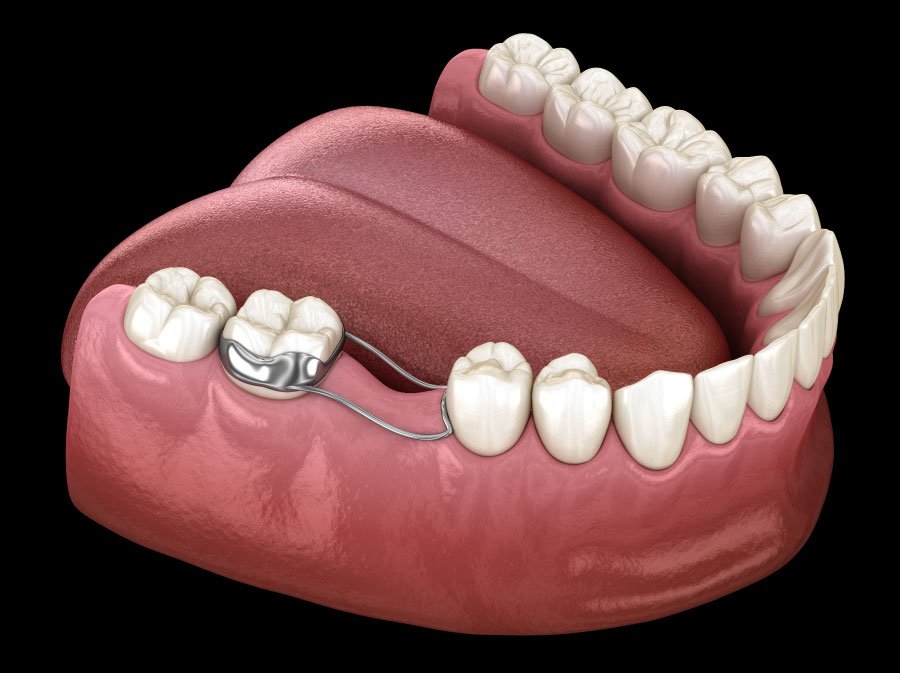
Baby teeth have a very important job: they act as "placeholders" for the permanent teeth growing under the gums.
Normally, a baby tooth stays in place until the adult tooth is ready to push it out. However, if a baby tooth is lost too early—due to a deep cavity, infection, or a knock-out injury—the neighboring teeth can drift into the empty gap.
This creates a serious problem: Space Loss. When the other teeth shift, they block the path for the permanent tooth, forcing it to come in crooked or become impacted (stuck in the bone).
At Nurture Kids Dentistry, Dr. Ketan Jumani uses Space Maintainers to prevent this chain reaction, saving your child from complex orthodontic problems down the road.
What is a Space Maintainer?
Think of a space maintainer as a "reservation sign" or a "chair saver" for the adult tooth.It is a small, custom-made metal appliance that is cemented onto a tooth next to the gap. It has a wire loop that extends across the empty space, physically stopping the other teeth from tipping or drifting into it.
- Passive: It does not move teeth like braces do; it simply holds them where they are.
- Fixed: It is glued in place so your child cannot lose it or forget to wear it.
- Temporary: Once the permanent tooth begins to poke through the gum, we remove the maintainer.
Types of Space Maintainers
Dr. Jumani will recommend the best type based on which tooth was lost and your child’s dental development.
- Band and Loop: The most common type. A metal ring fits around a molar, with a loop resting against the tooth on the other side of the gap.
- Lingual Arch: Used when multiple baby teeth are lost on the lower jaw. A wire runs along the inside of the lower teeth to hold the molars back.
- Nance Appliance: Used for the upper jaw to hold back the molars.
Living with a Space Maintainer
These devices are very easy to tolerate!
- Comfort: After a day or two, your child will forget it is even there.
- Hygiene: It is crucial to brush around the band and under the wire loop to keep the gums healthy.
- Diet: Just like with braces, your child should avoid sticky candies (taffy, caramel, gummy bears) and chewing gum, as these can pull the cement loose.